
Use more of your own electricity
A useful system starts with your daily demand, not a target panel count.
A solar project in Richmond starts with the roof you have, not a standard package. REX helps homeowners plan solar PV and battery storage around the building, daily electricity use and the way the roof is seen from the street.
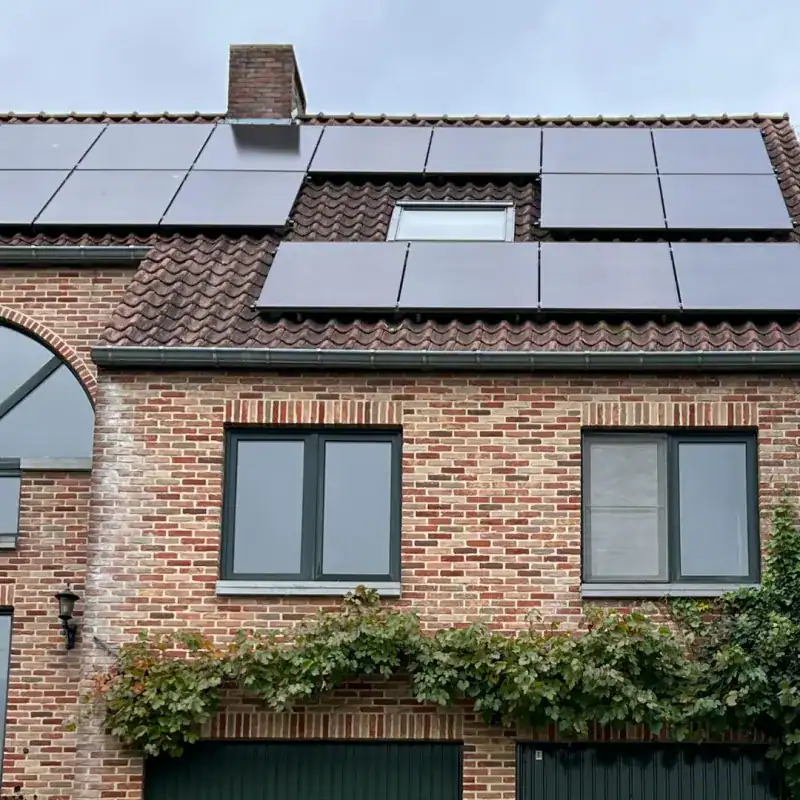
The useful result is a system you understand: how it fits, what it is expected to generate and where a battery may help.
A useful system starts with your daily demand, not a target panel count.
Check usable space, roof condition and shading before choosing equipment.
Compare battery capacity with spare daytime generation and evening demand.
Include planned renovations or changes in electricity use in the design.
Agree access, equipment positions and cable routes before work begins.
Review the generation estimate, assumptions and costs together.
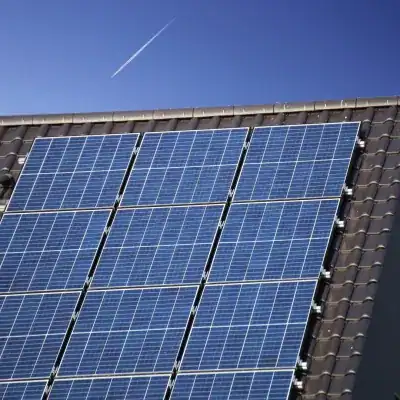
Richmond Council recommends comparing suitable roof slopes and balancing generation with the effect on the building. An orderly array, even roof margins and discreet cabling can matter as much as the number of panels. We start by looking at the available space, roof condition and any shading before developing a layout.
Conservation-area status does not automatically rule out solar in Richmond. The council sets out permitted-development conditions and recommends checking proposals on street-facing roof slopes. Listed buildings, flat roofs and leasehold homes need particular attention. Confirm the route for your address before committing to a design.
Share the address, recent electricity usage and any building plans with REX. We can discuss the roof survey, solar layout and whether storage belongs in the project. The proposal should set out equipment, expected generation, access and the work included, with any consents resolved before installation.
It needs a property-specific check. Richmond Council recommends planning advice for roof slopes facing a highway, especially in conservation areas. Compare less visible suitable slopes, document the layout and confirm the applicable conditions rather than assuming every roof has the same rules.
It may help shift some daytime generation into the evening. The useful capacity depends on how much electricity is left after daytime demand and how much you use later. The proposal should show that balance, rather than choosing the largest battery available.
The price depends on the panel layout, electrical work, access and any battery specification. Ask for an itemised proposal for the property, with the assumptions behind the generation and savings estimates. A headline package price is not a substitute for a survey.
The property address, an electricity bill or usage summary, roof photographs if available, and any plans for building work. If the property is leased or listed, include that information too.
No. Backup needs suitable equipment and a design for the circuits it will support. If power-cut cover matters to you, make that a separate requirement from ordinary solar storage.
It needs a compatibility and electrical review. Share the existing panel and inverter details, system age and available space so a suitable approach can be assessed.