
Map the loads
Identify what must stay on, the power it needs, and the backup duration you are aiming for.
REX battery storage and backup gateway systems can help a commercial site keep selected loads running when grid power fails. The right design starts with what you cannot afford to lose.
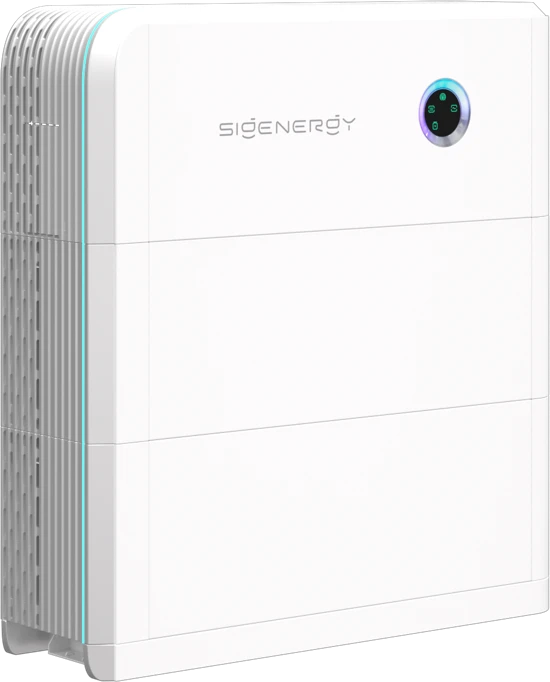
From a workplace to a site with time-sensitive operations, backup is about the loads that matter: controls, communications, security, essential equipment and any other circuits the site identifies as critical.
Identify what must stay on, the power it needs, and the backup duration you are aiming for.
A suitable gateway or changeover arrangement can isolate and supply selected circuits when the grid fails, subject to the site design.
Understand operating modes, maintenance needs and what the system can and cannot support before work begins.
Battery storage can be considered alongside existing or planned solar PV. Where an outage may outlast the battery, a diesel generator may be part of a site-specific backup design. The inverter, gateway, generator controls and safe switching must be assessed together; no particular combination is promised before engineering review.
Critical circuits, peak demand, starting loads and tolerance for any switching delay.
Target runtime, possible recharge and how a solar or generator source may contribute.
Existing distribution, solar, metering, generator and grid connection requirements.
Outage protection depends on the final system design and site conditions. A battery alone does not guarantee whole-site continuity or uninterrupted transfer.
Not automatically. The critical loads, battery capacity, inverter, gateway and switching design determine what can run and for how long. We start with your site's load profile and outage priorities.
It may be possible to coordinate storage with solar PV, subject to a review of the existing system, controls, metering and grid connection.
A generator may be integrated as a site-specific part of the backup design. Compatibility, safe switching and control coordination need an engineering assessment before any arrangement is proposed.
Grid-connected battery projects can require DNO notification or approval depending on the system. The connection route should be checked during design.
Runtime depends on usable battery capacity, the connected loads and any solar or generator support. We would model a target duration before specifying equipment.