Roof condition and structure
The age and condition of the roof covering, and whether the structure can carry an array. Where loading needs proving, a structural assessment is arranged before design.
Lower, more predictable electricity costs. Roof space that finally earns its keep. A sustainability story your tenants, investors and clients can see. Three reasons businesses put solar on their buildings - and REX designs, installs and monitors the systems that deliver them across London and the South East.
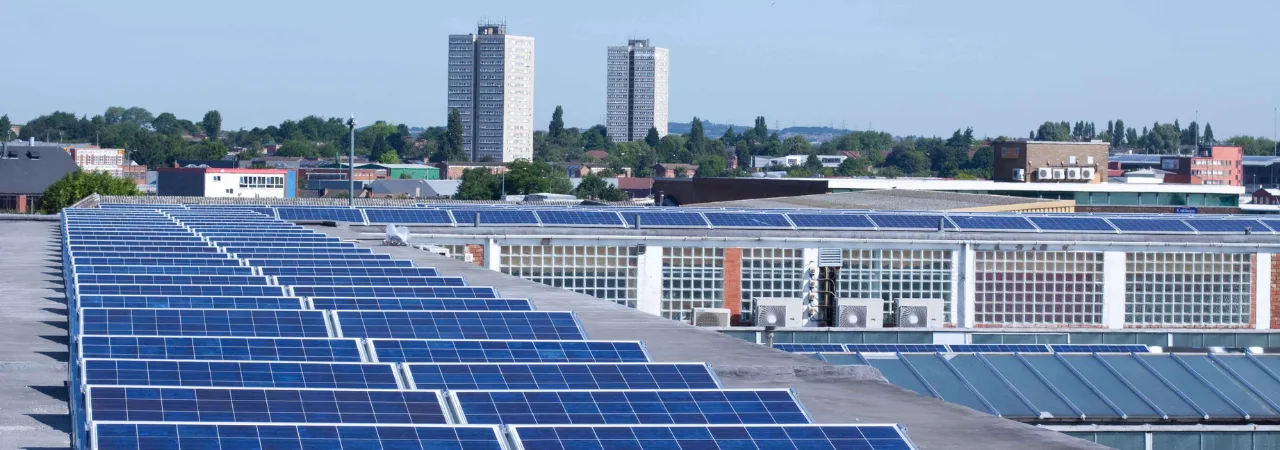
What decides what a system can deliver on your building: the roof, the electricity use and the grid connection.
The age and condition of the roof covering, and whether the structure can carry an array. Where loading needs proving, a structural assessment is arranged before design.
The usable roof area, its pitch and direction, and shading from trees, parapets and rooftop plant.
Scaffold or cherry-picker access planned around the site staying open, with deliveries and working hours agreed in advance.
How much electricity the building uses during daylight hours decides how much of the generation is used on site.
The existing supply capacity, and any export restriction set by the network operator, can shape the system size.
Freeholder or landlord consent and any lease conditions, resolved before the project is priced.
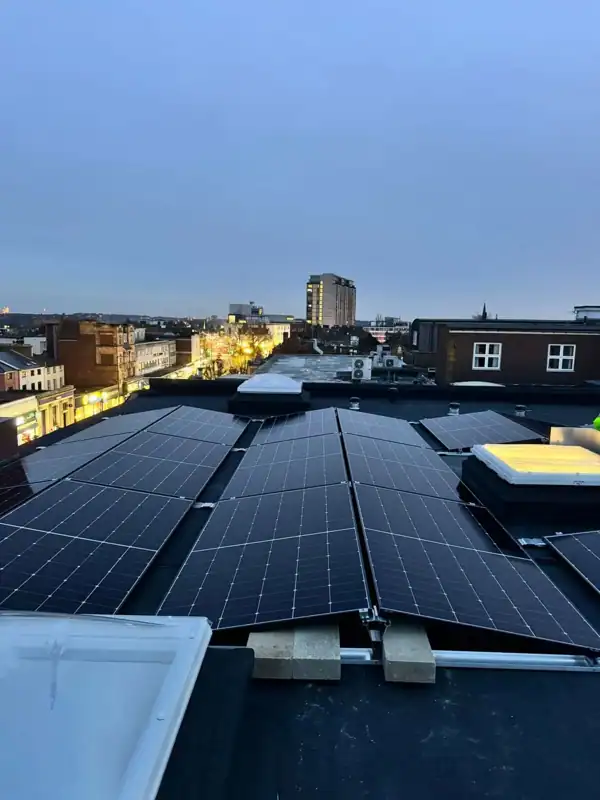
A commercial project has more moving parts than a home installation. REX covers each stage directly or arranges it with the project's engineers, so the building has one point of contact from the first survey onwards.
Roof inspection and an electricity-use review come first, then a panel layout with inverter and battery options. The proposal is itemised, with the assumptions behind the generation estimate shown.
Where the roof needs load checks, the structural work is arranged before mounting equipment is specified. REX handles G98 notification for eligible small systems or the G99 application and approval process before connecting larger systems, and adjusts the design if an export limit applies.
REX's own electrical team installs the array, containment and cabling, planned around the site's operations. Commissioning includes monitoring setup and a walkthrough with the people who will run the building.
Different buildings use electricity differently. The first survey works out what your site can generate and use, whatever the sector.
Large, unobstructed roofs and steady daytime demand make warehouse sites strong solar candidates.
Round-the-clock electricity use means generation is used on site through the day and into the evening.
Daytime demand from consulting rooms, equipment and ventilation sits well against solar output.
Weekday daytime use matches solar generation, from lighting and IT to air conditioning.
Roof space above shops and stores, with generation used by lighting, refrigeration and tills through opening hours.
Solar across multi-let and managed buildings, with the freeholder's position handled from the start.
REX also installs commercial battery storage and backup systems and commercial EV charging for the same sites.
A first conversation is more useful with five things: the site postcode, recent electricity bills or half-hourly usage where available, roof information such as drawings or photographs, the ownership or lease position, and the programme you are working to.
Often not. Many roof-mounted commercial systems fall within permitted development, but listed buildings, conservation areas and some flat-roof projections change that. We confirm the position for your address before a proposal is finalised.
REX handles the grid connection paperwork. Eligible small systems use the G98 fit-and-notify process: the distribution network operator must be notified within 28 days of commissioning. Larger systems normally need a G99 application and approval before connection. We check the route for your system and adjust the design if the network sets an export limit.
Yes. Most of the work happens on the roof and in agreed plant areas, with access, deliveries and working hours planned so the site keeps operating.
It can, with the freeholder or landlord's consent. Raise it early: the lease position affects the design, the paperwork and who benefits from the generation.
Commissioning includes monitoring setup and a handover walkthrough, so your team can see generation and spot problems early. You can also talk to REX about ongoing maintenance for the system.