
Lower energy bills
Generate electricity at home and reduce the amount you draw from the grid.
At REX, we help homeowners across Barnet, Finchley, Golders Green, Hendon, Mill Hill and Totteridge make better use of solar energy. Every system starts with the property and its energy needs.
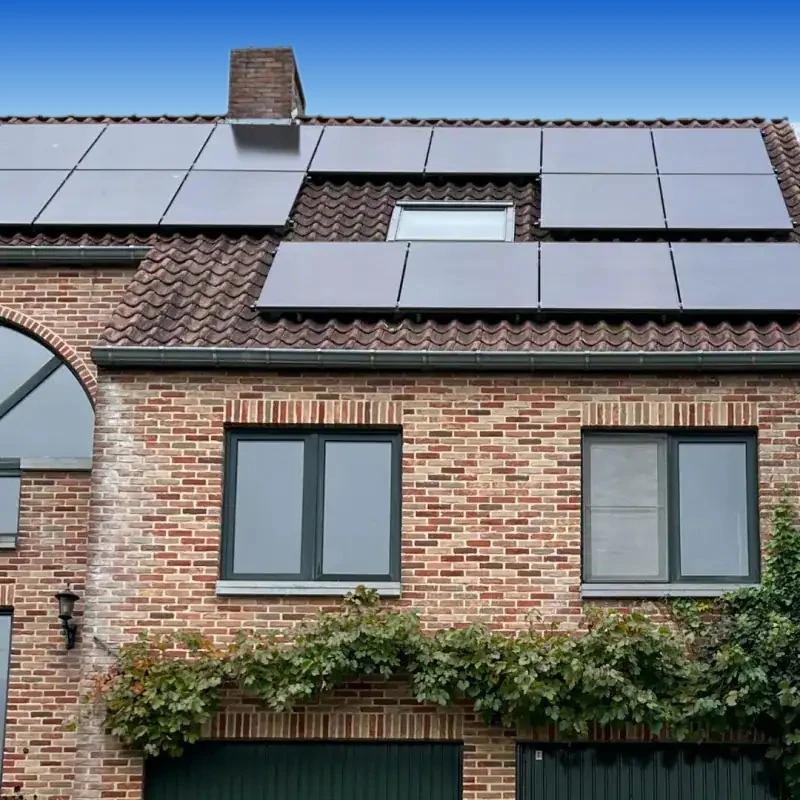
Solar panels generate electricity in daylight. A battery can store excess energy for later, while EV charging can be integrated into the system.
Generate electricity at home and reduce the amount you draw from the grid.
Store some excess solar energy to use in the evening.
Pair a solar system with a suitable EV charging setup.
Use more electricity generated at your property.
Generate clean electricity on site.
An energy-efficient home may appeal to future buyers.
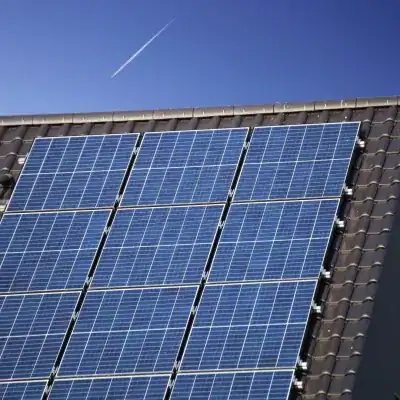
Solar panels use daylight to produce power during the day. Your home uses that electricity first, before drawing power from the grid.
Unused electricity can be stored in a suitable battery system for use in the evening or at peak times.
We focus on system design, clean installation and straightforward advice, from the first conversation through installation and aftercare.
Savings depend on your electricity usage, roof size, system size, and whether you add battery storage. Many homeowners reduce their electricity bills significantly by using solar power during the day and storing excess energy for later.
Yes. Solar panels work from daylight, not just direct sunshine, so they still generate electricity on cloudy days. Output is higher in spring and summer, but panels continue producing energy throughout the year.
A battery is optional, but it can help you use more of the electricity your panels generate. Without a battery, unused power is normally exported back to the grid. With a battery, you can store it for evening or night-time use.
Most standard home solar installations take around 1–2 days once scaffolding and materials are ready. Larger or more complex systems may take longer.
Most standard solar systems automatically shut down during a power cut for safety reasons. If you want backup power, you’ll need a suitable battery and backup/UPS setup designed for that purpose.
Solar panels require very little maintenance. They have no moving parts, and rain usually helps keep them clean. We recommend periodic checks to make sure the system is performing properly.
Most solar panels are designed to last 25 years or more. Inverters and batteries may have shorter lifespans and may need replacing during the lifetime of the system.
Most residential solar installations fall under permitted development, so planning permission is usually not required. However, rules can differ for listed buildings, conservation areas, flats, and unusual roof layouts.
Solar panels can make a home more attractive by reducing running costs and improving energy efficiency. The exact impact on value depends on the property, system quality, and buyer preference.
Planning your solar installation
A conservation area does not automatically rule out solar. REX can advise on conservation matters and discuss roof options, with consent requirements confirmed by the council or relevant estate.
Read our London conservation area solar guide ↗
Request a Quote ↗Sign up to receive our articles by email.